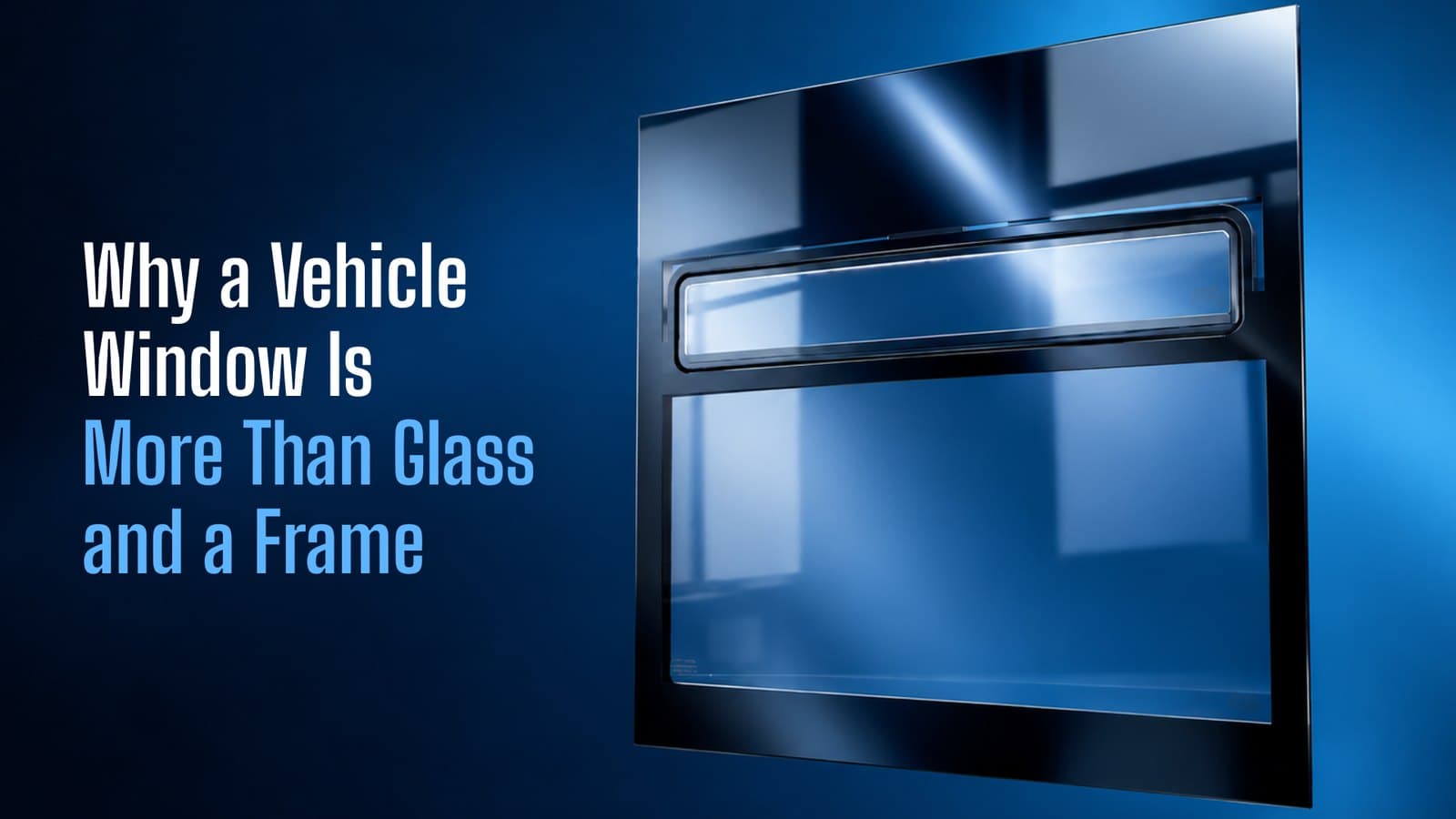
A vehicle window may look simple from the outside, but it actually behaves as a complex, highly engineered sub-assembly.
A vehicle window may look simple from the outside, but it actually behaves as a complex, highly engineered sub-assembly. For manufacturing teams, the real challenge isn’t drafting the technical specifications; it is executing them without compromise once production begins.
Too often, engineering freezes the design before procurement even begins looking for a supplier. Without bringing manufacturing capabilities and tool design into the loop early, projects can stall later from costly engineering changes and supply chain friction.
Since 1991, König has worked directly with European vehicle manufacturers as a family-owned developer and supplier to bridge this exact gap. Here is how early integration in four key areas protects both your design integrity and your project budget:
1. Glazing as a structural decision
The material structure, installation method, and exact placement in the vehicle dictate how the glazing behaves under real-world stress.
Visibility angles, opening mechanisms, and structural bonding all interact. This is why the cheapest quote on paper rarely tells the whole story. As a complete window system developer, we look at the entire technical environment of the vehicle to help your team fine-tune the final engineering details before the specification is frozen.
2. Integrated frame and glass engineering
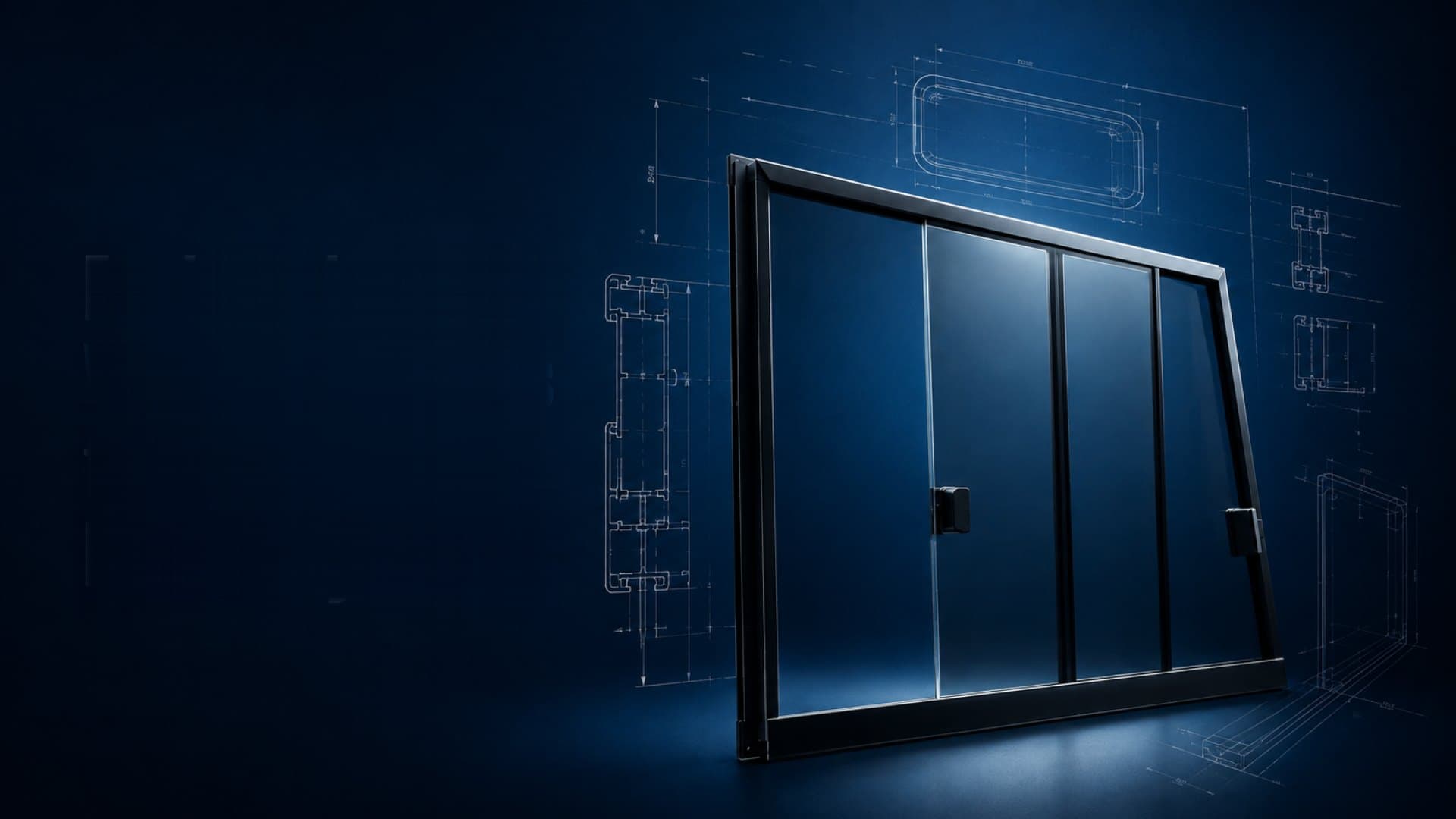
In vehicle manufacturing, the frame controls everything from sealing and water drainage to long-term acoustic and vibration performance levels. A fractional variance in the frame profile changes how the window seats into the carbody, how the rubber seals wear over time, and how easily a field technician can replace a pane years down the line.
We build our entire development and manufacturing model around integration across both the automotive and railway sectors. Because these environments face wind loads and decades of vibration, we handle many critical processes in-house, from initial engineering and aluminium machining to validation testing.
3. Application-specific configurations
Every vehicle segment creates a completely different set of engineering and manufacturing tradeoffs.
Bus and coach windows: These systems balance passenger comfort with structural utility, consisting of window units for driver-side windows, passenger areas, and integrated opening windows for ventilation.
Railway windows: We engineer these systems to withstand weather, wind, and high pressure. Our configurations in this sector include driver cabin windows, fixed windows, horizontal sliding windows, tilting systems, and emergency exits. Additionally, our designs can perform multiple roles, such as driver-side windows that can serve as certified emergency exits.
Automotive and other commercial vehicles: We design these window systems to be simple and practical. We can support both new vehicle projects and replacement needs based on drawings, samples, existing parts, or technical specifications.
If we understand the exact operating parameters of your window system early on, we can help to translate your concept into a production-ready design.
4. Mitigating procurement risks
Procurement teams face intense pressure to cut costs, secure supply, and meet deadlines. But evaluating a window supplier solely on unit price and a frozen drawing assumes all manufacturing is equal.
To reduce project risk, procurement needs objective proof of quality, which König delivers through key international certifications:
- ISO 9001:2015: independently verified quality management across our production process, from first quote to final delivery.
- ISO 14001:2015: certified environmental management.
- IATF 16949:2016: the automotive industry’s own supply chain standard, confirming we meet OEM-grade traceability and defect-prevention requirements.
- DIN EN 15085-2 / MSZ EN 15085-2 CL3: certified welding competence for rail vehicle components, audited against the rail industry’s own classification system for weld quality.
- EN ISO 3834-2:2006: full quality requirements for fusion welding of metal components, covering our aluminium frame work.
- EN 17460: certified adhesive bonding for rail vehicle manufacturing, the standard that succeeded DIN 6701.
- Qualicoat Seaside: surface treatment certified to withstand corrosive, high-salinity environments, for aluminium that has to survive decades outdoors.
Early-stage integration for long-term reliability
Vehicle windows sit directly at the intersection of structural safety, passenger comfort, and manufacturing efficiency. They have to fit perfectly into the carbody, look seamless, and survive decades of vehicle vibration.
Asking the hard questions early isn’t about making the project more complicated, but seeing the roadblocks clearly while they’re still manageable to fix.
Looking for a vehicle window partner who can support both engineering and procurement from the early specification phase? Contact König to discuss your next bus, rail, automotive, or cabin window project.
Have a project that looks like this?
Send us the drawing, the sample or just the requirement. Our engineering team will tell you what can be manufactured and what still needs clarifying.
Request a quote